Blog
Sculptural Jewelry: Art Meets Fashion

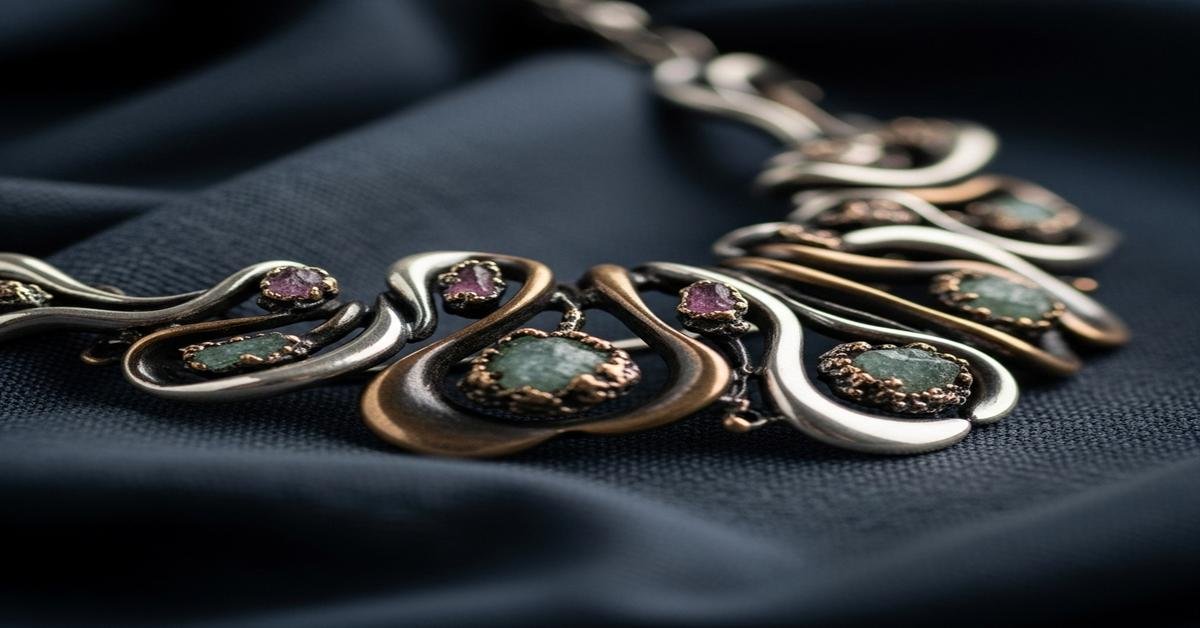
Sculptural jewelry sits where art and wearable design overlap. These pieces are conceived as three-dimensional forms first, then adapted to be worn. The result can be a ring that reads like a small sculpture, an earring that moves like a kinetic study, or a collar that shapes the body. This article explains how sculptural jewelry is made, why makers choose particular materials and techniques, and what collectors and wearers should watch for when buying or commissioning these pieces.
What defines sculptural jewelry
Sculptural jewelry prioritizes form, volume, and spatial interaction over pure ornament. That means: bold negative space, asymmetry, layered planes, and three-dimensional silhouettes. The emphasis is on how the piece occupies space around the body — not only how it looks flat on a page or in a catalog. Because of that priority, sculptural pieces often require different technical choices than classic fine jewelry: thicker profiles, internal structure for strength, and finishes that emphasize texture and shadow.
Materials and why they matter
The material determines what shapes are possible and how the piece will wear over time.
- Gold (14k, 18k) — Gold is malleable, which lets artisans hammer, forge, and chase complex curves. 18k (marked 750) contains more gold and is softer than 14k, so it accepts fine texturing easily but dents more readily. 14k is harder and better for thin elements or prongs that must stay sharp.
- Platinum — Dense and strong. Ideal for thin, sculptural forms that must resist deformation (sweeping collars, delicate armatures). It’s harder to work and costs more in both material and labor.
- Silver (sterling, 925) — Affordable and responsive to chasing and repoussé. Silver darkens (patinas) and is often used where contrast between matte and polished planes is desired. It’s softer than gold alloys, so high-contact areas will show wear.
- Base metals and alloys (bronze, brass, titanium) — Useful when weight or color is critical. Titanium is lightweight and hypoallergenic but difficult to solder. Bronze and brass patinate naturally; they are common for bold, architectural pieces and affordable art editions.
- Non-metal materials — Resin, ceramic, enamel and cast glass let artists explore color and translucency. These materials need protective mounting and often limit the use of ultrasonic cleaners.
Techniques used to make sculptural pieces
Sculptural jewelry often combines traditional hands-on methods with contemporary technology.
- Fabrication and forging — Hand-formed sheet and wire work give direct control over curves and hammer textures. Useful for collars and cuffs where metal thickness ranges 1.5–5 mm.
- Lost-wax casting — Still the standard for complex three-dimensional forms. Artists carve in wax at scale, then cast in metal. Casting captures texture and undercuts but requires porosity control and careful finishing.
- 3D printing and DMLS — Resin printing for wax patterns or direct metal printing (DMLS) allows highly intricate lattice structures and thin fins. For example, a filigree-like pendant with 0.4–0.6 mm ribs is possible in printed stainless or titanium but difficult by hand.
- Chasing, repoussé, and hammering — These raise and shape metal surfaces without cutting. They produce organic bulks and flowing planes that read as sculptural volume.
- Electroforming — Builds lightweight hollow forms over a mandrel. Good for large statement necklaces that are comfortable to wear because they minimize mass while keeping scale.
Design constraints and ergonomics
Sculptural pieces must balance look with wearability. A few practical rules designers follow:
- Keep heavy earrings under about 8–12 g each for regular wear. Larger statement drops (40–70 mm) often need lightweight construction or counterweights behind the lobe.
- Necklaces: pendants that are 20–60 mm can read as sculptural without overbalancing the chain. Collars often sit on the clavicle and should have internal radii that match neck contours (common collar diameters range 110–140 mm).
- Rings: a sculptural top that is 12–20 mm across still fits comfortably if the inner band uses a comfort-fit profile and the band thickness is about 1.5–2.5 mm. Wider tops increase the risk of catching on fabrics or hair.
- Edges and contact surfaces should be rounded or chamfered. Sharp edges hurt and snag; a 0.3–0.8 mm fillet can make a big difference.
Finishes, patinas, and surface language
Surface finish changes how we perceive volume. A satin or sandblasted surface reduces reflections and emphasizes form, while a high polish throws highlights and makes edges read crisp. Chemical patinas (for silver or bronze) add depth by darkening recesses and brightening raised surfaces. Enamel or inlaid stone introduces color and planes that break the silhouette.
Stone setting choices in sculptural work
Sculptural settings are chosen for stability and visual integration.
- Bezel and flush settings — Excellent for maintaining the sculptural line without interrupting silhouette. Bezel walls can be formed into waves or ridges that become part of the overall form.
- Tension settings — Dramatic and modern, but require precise metal strength and are typically used with harder precious metals like 18k gold or platinum to avoid deformation.
- Invisible and channel settings — Used in geometric sculptures to create clean planes of sparkle without visible prongs.
Buying, commissioning, and caring
When buying or commissioning sculptural jewelry, consider these concrete points:
- Ask for materials and marks: gold stamped 750 or 585; silver 925; maker’s hallmark. These confirm metal content and provenance.
- Request realistic weight and dimensions. A 60 mm cuff that’s solid 3 mm thick will be heavy (40–80 g) unless hollowed or electroformed.
- For commissions expect a three-part cost: design fee (concept + CAD or sketches), material cost (metal and stones), and labor (hours in hand-finishing). Timelines commonly run 4–12 weeks for unique sculptural work.
- Care: avoid ultrasonic cleaning for porous or composite pieces (enamel, resin). Use warm soapy water and a soft brush. For plated finishes, ask about replating intervals; for patinated surfaces, expect to rework the patina if polishing is needed.
Sustainability and studio practice
Many contemporary makers use recycled metals and lab-grown gems to reduce environmental impact. Techniques like efficient sprue layout in casting and reuse of wax and resin patterns cut waste. Ask the maker about metal sourcing and whether the piece contains reclaimed or fair-mined materials if that matters to you.
Sculptural jewelry is a practical art form. The best pieces show clear intention: the material supports the form, the construction supports wear, and details like thickness, closures, and finishes are chosen for both beauty and function. Knowing these specifics helps you evaluate work by its craftsmanship rather than only its visual drama.