Blog
Bridal Jewelry Trends for Destination Weddings


Destination weddings change the rules for bridal jewelry. You are away from home, often in heat, humidity, wind, sand or salt air. That affects metal, stones, settings and how you wear pieces during ceremony and photos. This guide gives clear, practical choices so your jewelry looks great and stays safe. I explain why each recommendation matters and give concrete examples you can ask a jeweler to make or bring.
Start with the environment: match jewelry to the location
First question: where and what will you do? Beach, tropical resort, cruise, mountain lodge or desert all pose different risks.
- Beach/cruise: Salt, sand and wind. Choose solids (no plating) and low‑profile settings that keep grit out.
- Tropical/humid: High humidity speeds tarnish and can make knots and threads loosen. Prefer dense metals and sealed settings.
- Mountain/cold: Fingers can shrink; settings should allow slight temperature movement.
- Desert/sunny: UV and heat can weaken adhesives and delicate organic gems (opal, shell, some pearls).
Metals and alloys: pick for durability and maintenance
Know the alloy. It affects weight, color durability and how it handles salt, chlorine and sweat.
- Platinum (Pt‑950): 95% platinum, dense and durable. It resists corrosion and is best for settings you won’t babysit. Scratches form a patina rather than removing metal, which is fine for long wear.
- 18k gold (75% gold): Rich color but softer. Better for fine pieces you’ll remove during activities.
- 14k gold (58.3% gold): Stronger for everyday wear. A practical go‑to for travel jewelry because it balances color and toughness.
- White gold: Alloyed for color but usually rhodium‑plated. Chlorine and salt can speed plating wear. Plan for a rhodium touch‑up after the trip if needed.
- Silver (sterling, 92.5%): Tarnishes quickly in salt and sulfur environments. Avoid for beach gowns unless you have anti‑tarnish care and will polish promptly.
- Titanium/tungsten: Lightweight and hypoallergenic (titanium). Tungsten is scratch resistant but brittle and hard to resize. Good for grooms who want tough bands; avoid brittle metals if resizing later is likely.
Gemstones: use hardness and setting to predict real‑world performance
Look at Mohs hardness and how the stone is set. Harder stones resist scratches and chips. Settings protect edges from sand and impact.
- Best for travel: Diamond (10), sapphire and ruby (9). They scratch and chip less. Example: a 0.5 ct round sapphire (~5 mm) in a 14k bezel pendant on a 45 cm chain. The bezel keeps sand out of the girdle and prevents chip risk.
- Good with caution: Moissanite ~9.25, durable but can show heat from certain treatments. It’s a budget‑friendly alternative to diamonds.
- Be cautious: Tanzanite (6–7), opal (5.5–6), pearl (2.5–4.5). These need soft packing, avoid chlorine and direct heat, and often require hand cleaning only.
Why settings matter: a bezel or half‑bezel protects edges and is less likely to snag. A classic four‑prong solitaire shows more light but exposes the girdle to grit and knocks. For beaches or hiking, I prefer bezels or low‑profile crowns.
Styles, proportions and photos: what reads well outdoors
Destination photos often include movement and wind. Choose proportions that read at a distance and stay put.
- Necklaces: Layering works, but avoid long, flowing chains that swing into a dress. Chain lengths: choker 35–40 cm, princess 45 cm, matinee 55 cm. A single pendant 6–10 mm on a 45 cm chain sits nicely on most necklines.
- Earrings: Studs or short drops are safest in wind. Stud sizes 4–6 mm for subtle looks; drops 20–30 mm for statement photos but secure them. Use screw‑back or locking backs for studs to stop loss.
- Bracelets: Tennis bracelets in 1.5–2.5 mm line are classic but use a double or locking clasp. Wide cuffs are secure but can clash with long sleeves or veil handling.
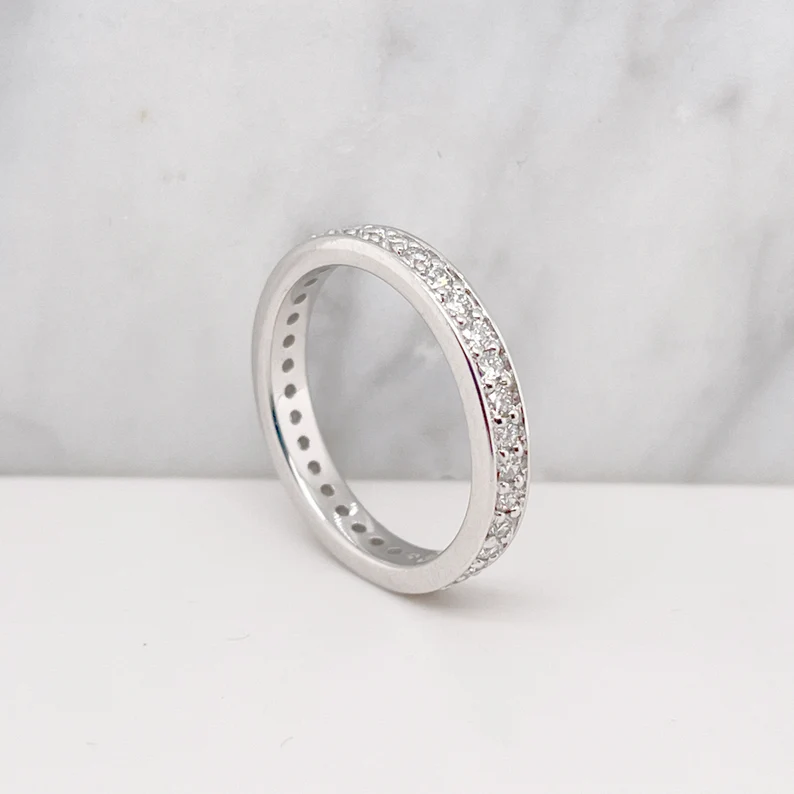
- Rings: For comfort, 2–3.5 mm wedding bands are common. In hot climates choose a half‑size up; in cold climates consider slightly tighter fit. If you’ll snorkel or hike, swap for a silicone or plain metal band to avoid damage to a diamond pavé band.
Fastenings, safety and comfort
Small hardware choices make big differences in a foreign setting.
- Clasps: Lobster or locking lobster clasps are much more secure than spring rings. Consider a safety chain on heirloom necklaces.
- Earring backs: Screw‑backs or threaded backs reduce loss. Butterfly backs are fine for quick changes, but not for ocean swims.
- Settings: Bezel or flush settings reduce snagging and keep grit out. Prongs are fine if inspected and tightened before travel.
Packing, care and legal steps
Packing smart lowers risk. Also plan for insurance and customs if you travel internationally with valuable pieces.
- Packing: Use individual pouches or preformed travel cases. Place each item flat and avoid chains entangling. Add silica gel for humidity. Photograph each piece with receipts and appraisals in case of loss.
- Care on site: After the beach, rinse jewelry in fresh water and dry with a soft cloth. Never use bleach or household cleaners—chlorine weakens some gold alloys and removes rhodium plating.
- Insurance and paperwork: Carry an up‑to‑date appraisal for high‑value items and check your travel insurer’s jewelry coverage. For very expensive stones, declare them at customs if required by local law.
Cultural and practical etiquette
Local culture can change what’s appropriate or expected.
- In parts of South Asia, brides traditionally wear 22k gold (91.7% gold) and heavy sets. If integrating local pieces, check the weight and fastening so they stay comfortable in warm weather.
- Some countries have strict regulations on exporting large gems. Ask about paperwork for heirlooms or large stones before you travel.
- Respect local dress codes at religious sites. You may need to remove jewelry or switch to more modest pieces for certain ceremonies or temples.
Final example plan: for a tropical beach wedding, wear a 14k yellow gold bezel 0.5 ct sapphire pendant on a 45 cm chain, 4–5 mm diamond stud screw‑back earrings, a 2.5 mm 14k band, and pack a silicone band for activities. Photograph everything, insure the major pieces and store them in a small, padded travel case with silica gel. These choices keep style and security in balance so you can focus on the ceremony, not the jewelry.