Blog
Everyday Fine Jewelry That Elevates Your Look

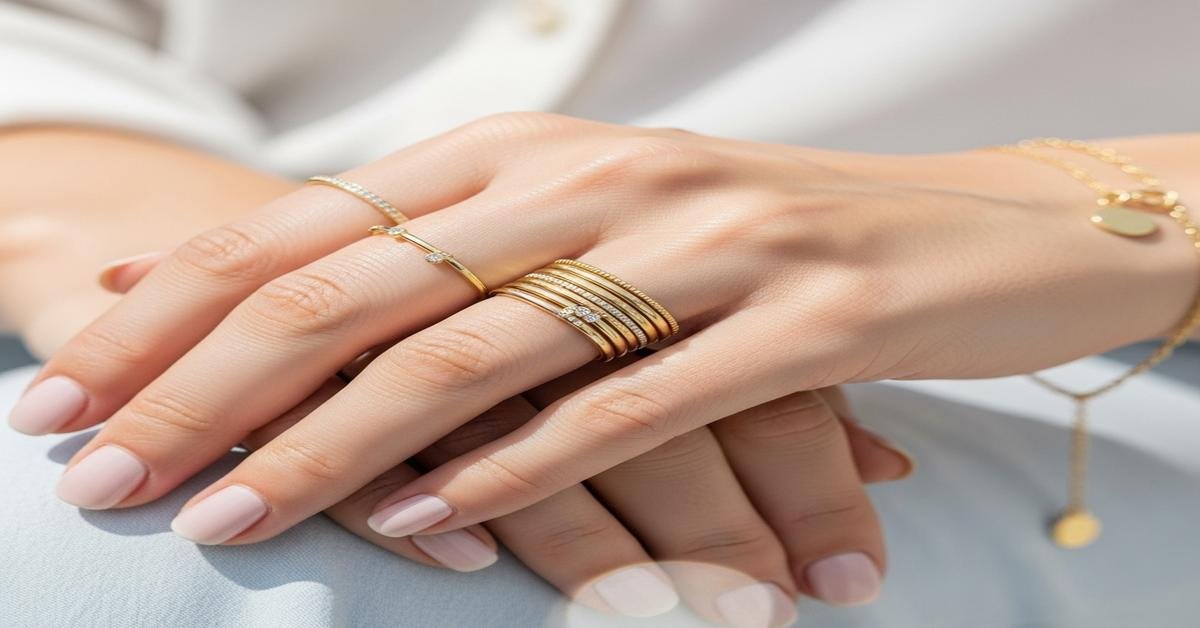
Fine jewelry doesn’t have to be for special occasions. The right pieces make everyday outfits look intentional. They add polish without stealing focus. When you choose durable metals, sensible proportions, and low-profile settings, you get pieces you can wear all day. Below I explain which items work best, why they work, and how to care for them so they last.
Core Pieces to Own
Start with a small, versatile wardrobe of jewelry. These five pieces cover most looks and activities.
- Diamond studs: A pair of round brilliant studs 0.25–0.50 ct total weight (0.12–0.25 ct per earring) in 4–5 mm diameter. Set in 14k or 18k gold or platinum. Why: diamonds are hard (Mohs 10) and classic. A 4 mm diamond (~0.25 ct) reads elegant without overpowering casual clothes.
- Sleek pendant necklace: 16–18″ chain with a 3–5 mm gemstone or 0.10–0.25 ct diamond pendant on a 1–1.5 mm cable or box chain. Why: it sits at the collarbone and layers well. A lobster clasp is more secure than a spring ring.
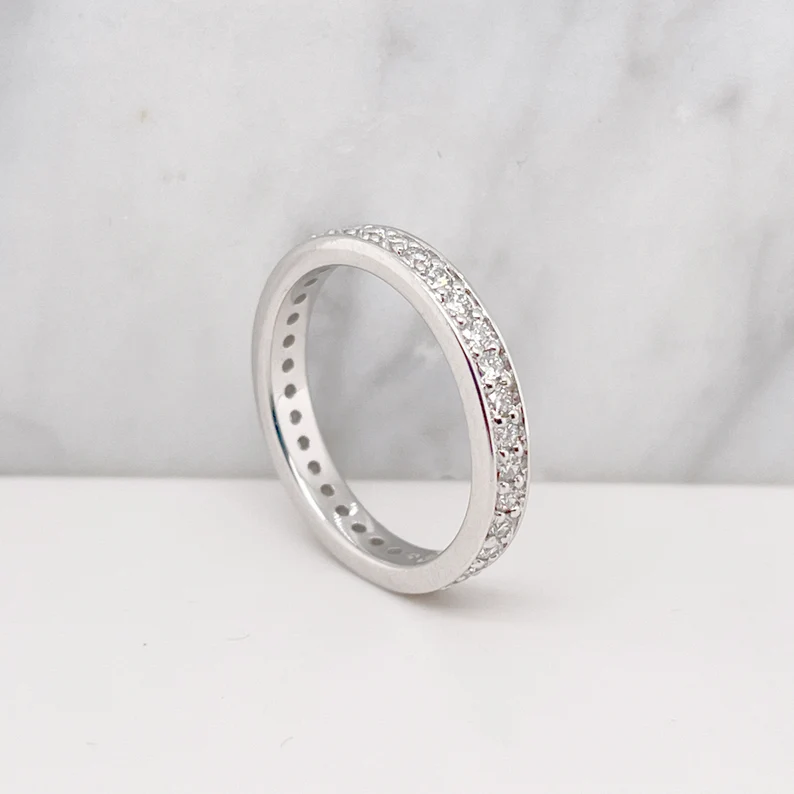
- Thin band ring: 1.5–2.5 mm gold band in 14k or 18k, or a low-profile diamond band with 0.01–0.03 ct melee stones. Why: slim bands stack without catching and look refined alone or with an engagement ring.
- Small hoops: 12–18 mm diameter, 1.5–2.5 mm width, solid gold or hollow but well-made. Why: small hoops swing and frame the face without getting in the way of phone calls or hair.
- Chain bracelet: 3–4 mm curb or Venetian chain in 14k gold or platinum, 7–7.5″ length or adjustable. Why: a delicate chain wears comfortably and doesn’t snag on clothing.
Design Details That Matter
Small choices determine whether a piece is truly wearable every day.
- Settings: Bezel or flush settings are best for active wear. They protect edges and don’t catch on fabric. Prong settings show more stone but require periodic prong inspection and possible re-tipping.
- Profile height: Low-profile settings (2–3 mm above the finger for rings) are less likely to catch and more comfortable with gloves or keyboards.
- Chain thickness: A 0.9–1.2 mm chain is delicate but breaks easily. For daily wear choose 1.2–1.8 mm. Box and wheat chains are strong for thin profiles.
- Clasps: Lobster clasps are sturdier than spring rings. For bracelets, a safety or figure-eight clasp adds security.
Choosing Metals and Gemstones
Pick materials that match your lifestyle, skin, and budget.
- Gold karats: 14k gold is 58.3% pure gold and harder due to alloy metals. 18k is 75% gold and softer but richer in color. Choose 14k for durability if you wear pieces daily; choose 18k for richer yellow tones or fewer alloy irritants.
- White gold vs. platinum: White gold is typically rhodium-plated. The plating wears off after 1–2 years with frequent wear and can be re-plated. Platinum is heavier, naturally white, and hypoallergenic; it develops a satin patina rather than wearing away. Choose platinum for pieces you wear every day like engagement rings.
- Gemstones: For everyday use prefer hard gems: diamond (10), ruby/sapphire (9). Emeralds score 7–7.5 and often have internal fractures and oil treatments; choose protective settings for emeralds. Why: hardness reduces scratching and chipping risk.
Sizing, Proportions, and Layering
Proportion is what makes jewelry elevate an outfit instead of overwhelming it.
- Necklaces: 16″ hits the base of the throat. 18″ rests at the collarbone on most people and is the most versatile. Mix a 16″ pendant with an 18″ chain for a layered look that sits neatly.
- Earrings: Studs of 3–5 mm are discreet. Hoops 12–18 mm are everyday size. Avoid very large or heavy hoops if you wear them all day; they can stretch earlobes.
- Rings: Stack rings that are 1.5–2 mm wide. A solitaire engagement-style ring often looks best with a 2–3 mm complementary band. Keep center stones to a practical size — 0.50–1.00 ct is noticeable but still wearable for many.
Care and Maintenance
Daily wear needs routine care to keep pieces looking their best.
- Cleaning: Use warm water, mild dish soap, and a soft brush. For gold and most gemstones this is safe. Diamonds and sapphires handle ultrasonic cleaning, but emeralds and pearls do not.
- Avoid: Chlorine in pools and hot tubs — it weakens gold alloys and can pit metals. Avoid knocking stones against hard surfaces.
- Inspections: Have prongs, clasps, and chain solder points checked every 6–12 months. Loose stones are the most common repair issue.
- Storage: Store pieces separately in soft pouches to prevent scratches. Keep chains fastened to avoid tangling.
Buying and Budgeting Tips
Spend where you’ll see the most benefit.
- Anchor pieces: Spend more on items you wear daily — e.g., engagement ring, diamond studs, staple necklace. For these, prioritize metal quality (14k/18k or platinum) and craftsmanship over larger stones.
- Stone quality: For diamonds under 1.0 ct, prioritize cut over color and clarity. A well-cut 0.50 ct G–H color, VS–SI clarity diamond captures light and looks larger than a poorly cut higher-clarity stone.
- Insurance: Insure pieces over $1,000 or those with sentimental value. Keep receipts and appraisals. Why: repair or replacement costs can exceed original purchase prices, especially for custom work.
- Customization: Simple custom tweaks — lowering a setting, smoothing edges, or reinforcing a weak link — make inexpensive pieces more wearable daily.
When chosen and maintained with care, fine jewelry becomes part of your daily routine. Pick pieces with sensible proportions, strong settings, and durable materials. That way, your jewelry elevates every outfit — reliably and beautifully.