Blog
Everyday Jewelry Must-Haves for Working Women


Every working woman needs a small, reliable jewelry wardrobe. The right pieces finish an outfit, communicate polish, and stay comfortable through long days. This guide lists practical must-haves, explains the why behind each choice, and gives concrete sizing, metal, and care advice so your everyday jewelry lasts and always looks intentional.
Core pieces every working woman needs
Start with five reliable items. Together they cover most outfits and situations.
- Stud earrings: 3–6 mm. Opt for diamond, sapphire, or simple metal balls in 14k gold or sterling silver. Why: small studs sit close to the ear, don’t snag on collars, and read as professional. A 0.10–0.25 ct diamond stud is visible but understated.
- Small hoops or huggies: 12–20 mm diameter, 2–3 mm width. Choose solid 14k gold or 316L stainless steel for durability. Why: hoops add movement without being dramatic. Huggies are safer around desks and equipment.
- A pendant necklace: 16–18″ chain with a 6–10 mm pendant. Chain thickness 0.9–1.2 mm for daily wear. Metals: 14k gold or gold-filled for color and longevity. Why: a short pendant centers on the collarbone, pairing with blazers and crew necks.
- A slim watch: 28–36 mm case for most wrists. Stainless steel 316L or 14k gold case. Quartz for low maintenance; automatic if you want mechanical character. Water resistance 30–50 m is fine for rain and handwashing. Why: a watch is practical and instantly professional.
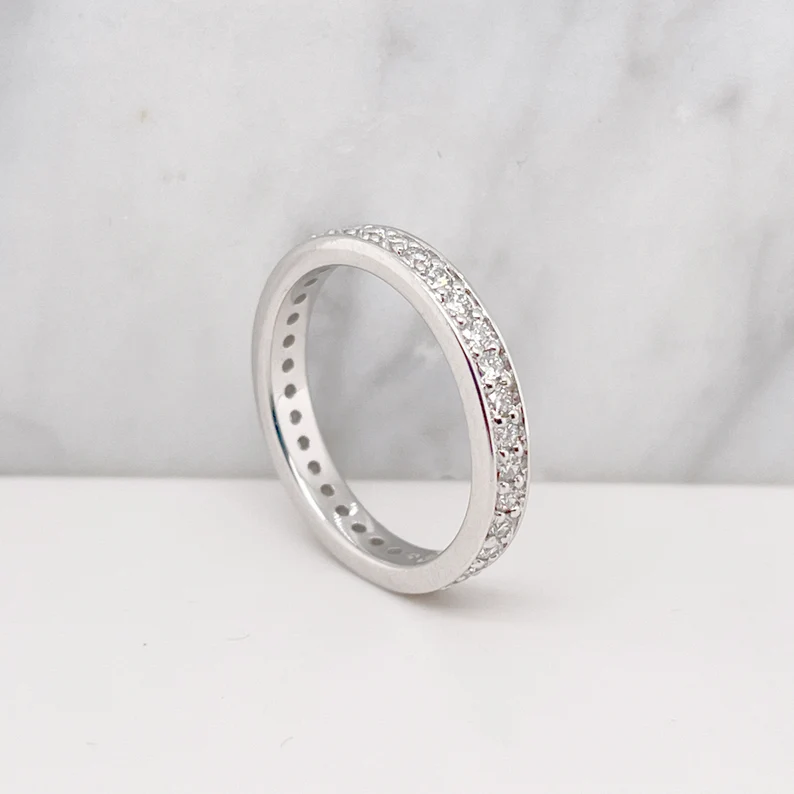
- A simple ring or stacking set: Single band 2–4 mm wide, in 14k gold or platinum. If you wear multiple rings, keep one finger per hand free for typing. Why: narrow bands are comfortable and don’t catch.
Choosing metals and alloys
Metal choice affects longevity, maintenance, and cost. Know the basics so your pieces stay wearable and retain value.
- 14k gold (58.3% gold): Most practical for everyday wear. Harder than 18k, resists scratches, and holds prongs well. Use for rings, bracelets, and hoop backs.
- 18k gold (75% gold): Richer color but softer. Better for pieces that aren’t knocked around daily. Consider for pendants or earrings that don’t get heavy wear.
- Platinum: Dense and hypoallergenic. Excellent for engagement rings and settings that need durability. It will develop a patina over time but loses metal gradually when polished.
- Sterling silver (925): Affordable and bright. It tarnishes and needs occasional polishing. Choose silver for budget pieces or for pairing with cooler clothing tones.
- Gold-filled and vermeil: Thicker gold layers over base metal. Gold-filled lasts much longer than plated pieces. Vermeil (thick gold over sterling) is a good middle ground if weight and cost matter.
Gemstones and practical durability
Pick gems based on hardness and daily exposure. Harder stones resist scratches and are safer for everyday settings.
- Diamond (10 Mohs): The hardest gem. Great for everyday rings and studs. A 0.15–0.25 ct diamond balances sparkle and subtlety.
- Sapphire and ruby (9 Mohs): Excellent for color and durability. Good for rings, studs, and small pendants.
- Emerald (7–7.5 Mohs): Softer and often treated; avoid for rings you wear during manual tasks. Use emeralds in pendants or protected settings.
- Pearls and opals: Low hardness (2.5–5). Sensitive to acids, perfume, and humidity. Wear rarely or in protected settings, and remove before handwashing.
Sizing, scale, and layering rules
Scale matters. The wrong size can look sloppy or distract from your outfit. Use these simple rules.
- Earrings: Studs 3–6 mm for subtlety. Hoops 12–20 mm for day-to-day; 25 mm+ begins to read casual or statement.
- Necklaces: Keep one focal length. Common pairing: 16″ choker/short chain, 18″ pendant, 20″ longer chain. For layering, step 2″ between lengths for clarity.
- Bracelets: A single slim chain (2–4 mm) or a small cuff. Avoid heavy charm bracelets if you type a lot.
- Rings: Narrow bands (2–4 mm) for comfort. If you wear wider bands (6 mm+), try one per hand to preserve dexterity.
Workplace safety and dress codes
Match jewelry to your work environment. Safety and appropriateness reduce risk and keep your pieces intact.
- Office/corporate: Minimal, polished pieces. Diamonds up to ~0.50 ct are fine; avoid oversized cocktail rings.
- Client-facing or formal roles: Stick to classic metals and gems. One statement piece is enough—either a noticeable pendant or a bold ring, not both.
- Hands-on roles or labs: Avoid loose chains, long earrings, and dangling bracelets. Choose studs, snug huggies, and thin bands that won’t catch machinery.
Care, cleaning, and storage
Good care keeps jewelry wearable and avoids costly repairs. Follow these practical steps.
- Daily habits: Remove jewelry before applying lotion, perfume, or household cleaners. Chlorine attacks gold alloys and weakens settings.
- Cleaning: Use warm water, mild dish soap, and a soft brush for gold and gemstones. Diamonds and sapphires tolerate ultrasonic cleaners; pearls and emeralds usually do not.
- Inspection: Check prongs and clasps every 6–12 months. Loose prongs cause lost stones; a jeweler can tighten them before damage occurs.
- Storage: Keep pieces separate in a jewelry box or pouches. Use anti-tarnish strips for silver. Lay chains flat or fasten clasps to avoid tangles.
How to allocate a budget
Think in terms of priorities and longevity, not trendiness. Here’s a simple allocation for a versatile starter set.
- Investment pieces (40–60%): One or two long-lasting items—e.g., 14k gold studs or a quality watch. These you’ll wear daily and expect to last years.
- Everyday workhorses (30–40%): A pendant, a slim bracelet, and a ring in durable metals. These balance style with resilience.
- Trend and seasonal pieces (10–20%): Costume or plated jewelry for variety. Replace when worn out; don’t rely on these for daily wear.
In short: choose durable metals like 14k gold, practical gem types, and conservative sizes. Prioritize comfort and safety for your work day. With a compact set—studs, small hoops, a short pendant, a slim watch, and a narrow band—you’ll have everything to look composed and professional every day.