Blog
How to Wear Jewelry with Athleisure Outfits


Athleisure blends comfort and function with everyday style. Jewelry can elevate that look without getting in the way of movement or sweating. The trick is to choose pieces that match the activity, hold up to moisture and abrasion, and follow simple scale rules so the jewelry feels intentional—not accidental. Below are practical guidelines and concrete examples to help you wear jewelry with leggings, hoodies, sneakers and sport jackets.
Match jewelry scale to activity and silhouette
Think about two things: how much you’ll move and the outfit shape. Big outerwear and chunky sneakers can handle heavier jewelry. Slim leggings and fitted tops call for finer pieces.
- Low-movement days (walking, errands): you can wear larger items. Example: a 4–6 mm curb chain or a 30–40 mm hoop.
- Moderate movement (yoga, Pilates): choose medium scale. Example: 1.5–2 mm box chain with a 5–8 mm bezel pendant; 10–15 mm huggie hoops.
- High-impact workouts (HIIT, running, gym weights): keep jewelry minimal or wearable-friendly. Example: silicone ring 4–6 mm, small diamond stud 3–4 mm (0.10–0.25 ct), or a secure sport watch strap.
Choose materials that stand up to sweat and movement
Sweat is salty and can speed corrosion and wear. Use metals and finishes that resist that environment.
- Best metals: stainless steel (316L), titanium, and platinum. These resist tarnish and irritation from sweat.
- Gold options: 14k gold (58.5% gold) is a good balance of durability and color. 18k (75% gold) is softer and dents more easily. Rose and yellow 14k are practical and less reactive than high-purity gold.
- Gold-filled and vermeil: better than thin plating. Gold-filled has a thicker layer of gold mechanically bonded to a base metal—good for daily wear.
- Plated items: thin plating (1–3 microns) will wear quickly with sweat and abrasion. Avoid for high-activity pieces.
- Stones: choose hard, durable gems for everyday athleisure. Diamonds, sapphires and rubies score 9–10 on the Mohs scale and tolerate knocks. Avoid soft or porous stones like opal, emerald (often treated), or pearls during workouts.
Necklaces: length, chain type, and pendant choices
Necklaces interact with necklines and zippers. Pick chain thickness and length to avoid bouncing and snagging.
- Chain types that stay put: box, wheat, and snake chains. They sit flat and resist tangling. Aim for 1–2 mm for subtle looks; 2.5–4 mm for more presence.
- Lengths by neckline: crewneck and high-neck sweatshirts pair with chokers (14–16″) or short chains (16–18″). V-necks and zip jackets work with 18–24″ layers. Example layering: 16″ choker, 18″ mid pendant (5–8 mm), and 24″ slim chain for a sporty layered look.
- Pendants: choose low-profile pendants—bezel-set stones or flat medallions. A 0.25 ct bezel diamond (~4 mm) is secure and low-bounce. Avoid long dangling pendants that can catch on zippers or straps.
Earrings: safe, comfortable choices
Earrings must stay secure and feel comfortable with head movement and headphones.
- Studs: the safest everyday option. 3–4 mm studs (0.10–0.25 ct diamonds or small metal domes) are discreet and won’t catch on clothing.
- Huggies and small hoops: 10–15 mm diameter huggies or 15–25 mm thin hoops are sporty and less likely to snag than long drops.
- Backs and closures: prefer screw-back studs, secure leverbacks, or hinged huggie closures to prevent loss during movement.
- Avoid: long, heavy drops for active days. They swing and can pull on the lobe or tangle with hair and hoods.
Rings and bracelets: security and low profile
Hands and wrists do most of the movement. Choose rings and bracelets that won’t hinder gripping or snag on equipment.
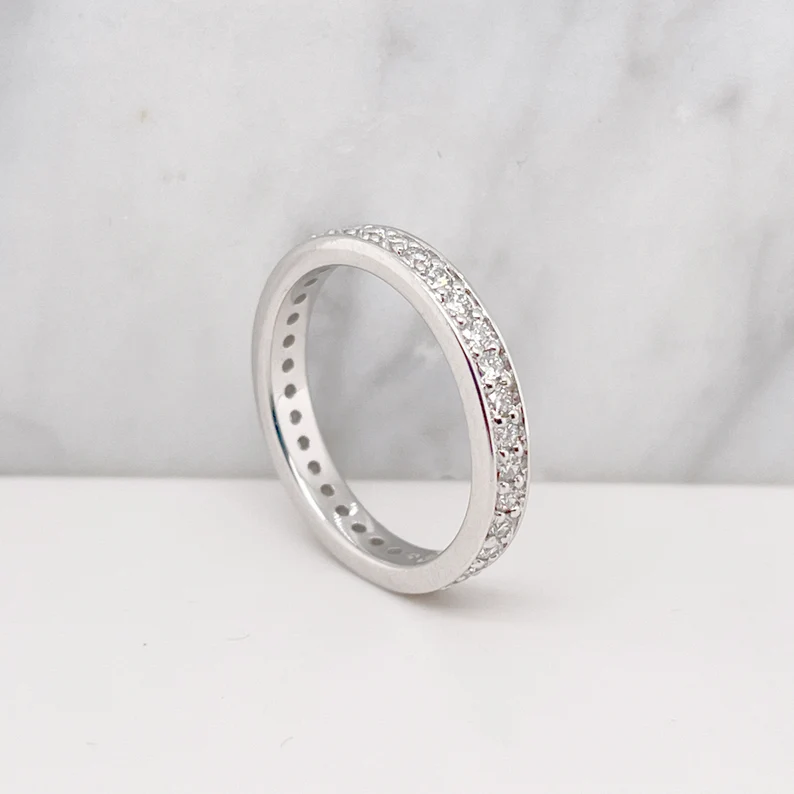
- Rings: silicone or titanium bands (4–8 mm) are ideal for workouts. If you wear a precious metal ring, choose a lower profile—2–3 mm comfort-fit bands—or remove it for lifting. Signet and large rings should be left at home for intense activity.
- Bracelets: flat cuffs or chain bracelets with secure lobster clasps or locked huggies work best. Avoid long link chains that can catch on gym equipment. A slim 2–3 mm curb or box chain is a good everyday choice.
- Watches: match the activity. Use rubber, nylon, or silicone straps for sport. For casual days, a metal bracelet (solid links, no hollow) or a 20–24 mm leather strap (if not sweating heavily) looks polished. Ensure the clasp is a deployant, screw-down, or locking mechanism for security.
Layering and styling rules
Layering should look deliberate. Stick to two to three focal pieces and vary length and texture.
- Vary width and texture: pair a flat 1.5 mm box chain with a 3 mm rope chain. The contrast reads intentional.
- Mono-metal vs mixed metals: mono-metal looks cleaner with sport looks. If you mix metals, limit it to two and repeat them across accessories (example: stainless steel watch + stainless steel chain + mixed-metal studs).
- Color coordinate with sneakers/accents: match a rose-gold 14k pendant to blush or coral sneaker accents. This makes the jewelry feel integrated with the outfit.
- Statement pieces: reserve chunky collars or 40+ mm hoops for low-activity days or when paired with heavier outerwear like an oversized puffer.
Care and quick fixes
Small habits extend the life of jewelry worn with athleisure.
- Wipe pieces with a microfibre cloth after workouts. Sweat residue attracts dirt and speeds wear.
- Remove jewelry before swimming in chlorinated pools. Chlorine and saltwater accelerate metal corrosion and fade plating.
- Store pieces separately to avoid scratches—especially gold and polished steel.
- For loose chains or worn clasps, get a jeweler to replace spring rings with lobster clasps or to re-solder weak links.
- When in doubt, swap to an activity-friendly material for workouts: silicone rings, titanium or stainless-steel studs, and a rubber watch strap keep your style intact and your jewelry safe.
Wearing jewelry with athleisure is about balancing function and style. Choose durable materials, match scale to movement and silhouette, and secure pieces thoughtfully. Those three principles will keep your look cohesive and your jewelry intact.