Blog
Men’s Jewelry Trends Dominating 2025


Men’s jewelry in 2025 is about clear choices: materials that last, designs that read as intentional, and personalization that fits a busy life. Buyers are favoring pieces that balance practicality with expression. This shift is driven by sustainability, tech integration, and a move away from novelty toward well-made classics that still feel modern.
Materials & metals leading the market
Metal choice defines look, wearability, and long-term value. Here’s what matters in 2025 and why.
- Recycled precious metals: 14k and 18k recycled gold are common. 14k is about 58.3% gold and offers better scratch resistance; 18k is 75% gold and has a richer color. Recycled gold reduces environmental impact and satisfies buyers who want ethical sourcing.
- Platinum (Pt 950): Platinum alloys stamped 950 are 95% pure. Platinum is dense, hypoallergenic, and holds gemstones securely. It resists wear better than gold, which matters for daily rings like wedding bands or signets.
- Titanium and cobalt-chrome: Titanium is light, hypoallergenic, and often used for 5–8 mm bands. It can’t be resized, so sizing must be exact. Cobalt-chrome mimics white gold/platinum color and is durable; it’s heavier than titanium and resists scratches.
- Tungsten carbide: Very hard and scratch resistant, but brittle—can crack under impact and cannot be resized. Good for men who value permanence over adjustability.
- Sterling silver (925): Still popular for bracelets and layered chains. Silver tarnishes and needs polishing; sterling pieces often use thicker gauges (2–4 mm chains) to avoid bending.
Stone choices and modern settings
Gemstones are moving beyond clear diamonds. Men want texture, contrast, and durability. Choice depends on lifestyle and symbolism.
- Black diamonds and salt-and-pepper diamonds: Black diamonds (often 0.10–1.00 ct) and salt-and-pepper stones give a rugged look. Black diamonds are typically treated or natural; both offer a bold matte-to-opaque aesthetic and hide wear well.
- Lab-grown diamonds: Cost about 30–60% less than mined counterparts at the same specs. For a 0.50 ct round brilliant, lab-grown is a practical, ethical choice with the same hardness (Mohs 10) and optical performance.
- Colored stones: Blue sapphires, green tsavorite garnets, and spinel are trending. Sapphires (6–8 mm cabochon or 0.50–1.20 ct cuts) offer classic color and hardness (Mohs 9).
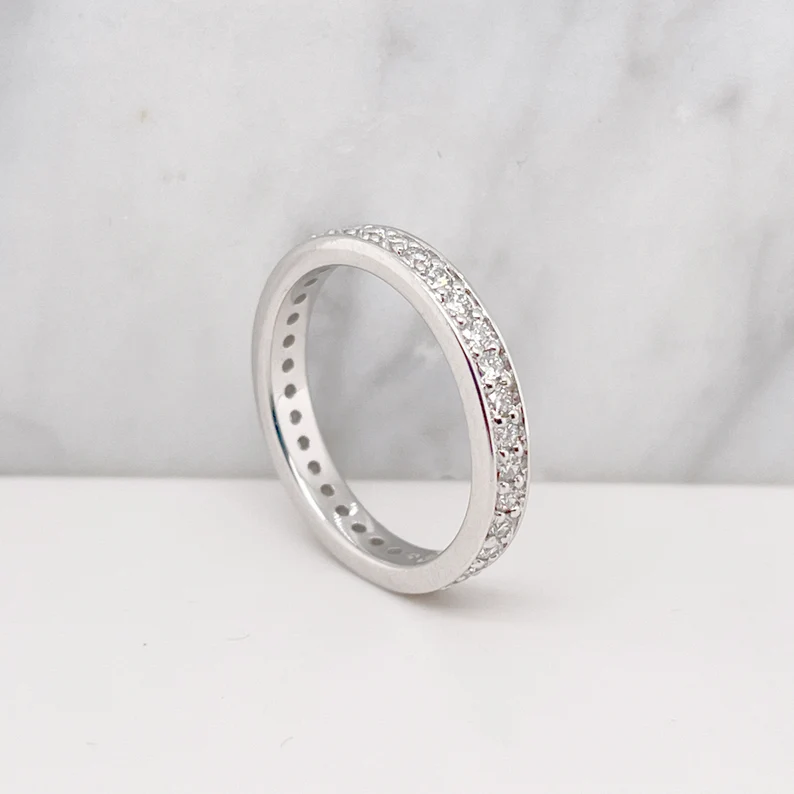
- Flush settings and bezel settings: Flush-set diamonds or bezel-set gems are low-profile and snag-resistant. They are ideal for men who wear rings daily, like a signet with a 0.25–0.75 ct center stone set flush into 8 mm bands.
Design directions: minimal, modular, and meaningful
Designs split into three practical lanes. Each answers a different user need.
- Minimal essentials: Thin curb or wheat chains in 3–5 mm widths. Flat signet rings 4–6 mm wide in satin finishes. Clean lines suit work and casual wear and reduce maintenance.
- Modular and convertible pieces: Removable pendants, convertible cufflinks-to-keychain tools, and bracelet links that accept engraving plates. Modularity lets one piece serve multiple functions and extends lifespan.
- Statement classics: Chunky Figaro or rope chains 8–12 mm wide, heavy curb bracelets with box clasps, and large signet rings 8–10 mm with recessed monograms. These read as durable investments and make clear stylistic statements.
Scale, fit, and proportions that work
Fit matters more than flash. Men’s jewelry must balance finger, wrist, and neck proportions to look intentional.
- Rings: Comfort-fit profiles are standard. Widths of 4–6 mm look proportional on average male hands; 7–10 mm suits larger hands. For center stones, 0.25–1.00 ct is common; anything above requires attention to prong count and setting security.
- Chains: Neck lengths of 50–60 cm (20–24 in) with widths of 3–6 mm are versatile. For statement wear, 60–70 cm with 8–12 mm widths sit lower and read bold. Choose chain types by activity—rope and box offer strength; flat curb sits comfortably under collars.
- Bracelets: Add 1–2 cm to wrist circumference for fit. Hinged bracelets with box clasps are more secure for heavier links; leather with sterling closures suits casual wear and is lighter.
Sustainability, provenance, and tech integration
Two powerful forces shape 2025 trends: ethical sourcing and subtle tech. Buyers want meaning and function.
- Traceable supply chains: Proof of recycled metal or verified mine-to-market gemstones is expected. Consumers pay premiums for verified provenance because it reduces reputational risk and supports responsible mining.
- Smart jewelry: NFC-enabled rings or pendants used for contactless business cards or two-factor authentication are rising. These typically use passive NFC chips embedded in titanium or coated in gold. They do not need batteries and keep the look minimal.
Buying and care advice
Practical tips reduce buyer regret and extend the life of pieces.
- Check alloy stamps: Look for 14k, 18k, Pt 950, Ti, or 925. These tell you composition and help assess durability and value.
- Know resize limitations: Titanium, tungsten, and cobalt pieces are often not resizable. Buy exact sizes or choose designs with adjustable elements.
- Prioritize settings for daily wear: Bezel or flush settings protect stones better than high-prong settings. For active lifestyles, choose lower-profile designs.
- Routine care: Gold and platinum need occasional polishing. Silver needs more frequent cleaning. Use a soft cloth and a mild detergent soak; avoid ultrasonic cleaners for fragile inlays like wood or meteorite.
Takeaway: buy with use case in mind
In 2025 the best men’s jewelry marries thoughtful materials with purposeful design. Choose pieces based on how you’ll wear them. If you want heirloom durability, favor Pt 950 or 18k gold with secure settings. If you want everyday low-maintenance, choose titanium or bezel-set stones. If you want meaning, select traceable materials or modular pieces that grow with your life. The trend is not just what looks current; it’s what endures.