Blog
Timeless Diamond Rings for Classic Brides

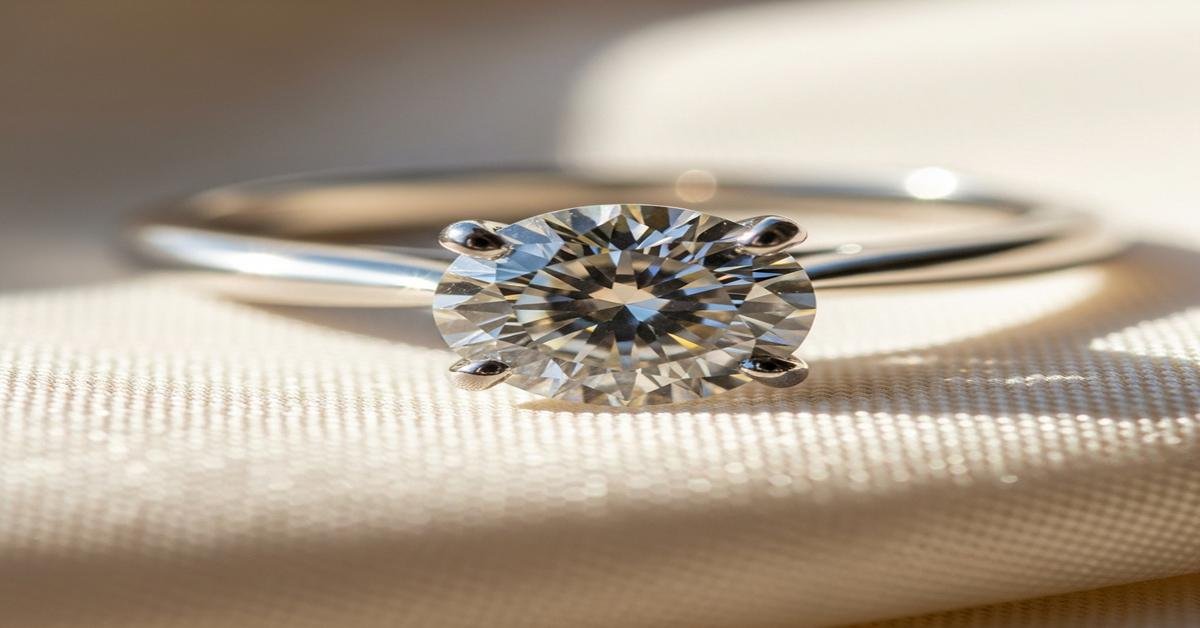
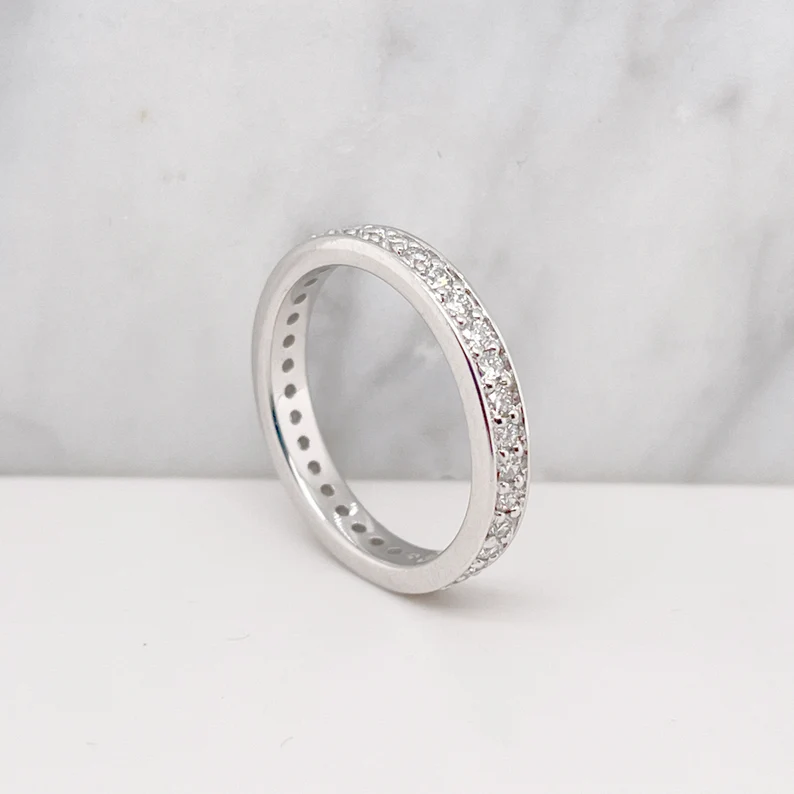
Choosing a diamond ring for a classic bride means picking a design that will still look graceful decades from now. Timeless rings emphasize clean lines, high-quality diamonds, and durable metals. They don’t chase trends. They favor proportions, workmanship, and comfort. Below are practical choices, clear technical tips, and examples that help you choose a ring that looks elegant every day—and lasts a lifetime.
Why cut and proportions matter more than carat
The single biggest factor that controls sparkle is cut, not carat weight. For a round brilliant, choose *Excellent* or *Very Good* cut grades from a trusted lab (GIA or AGS). Why? A well-cut 0.90 ct round (~6.0 mm) can look brighter and larger on the finger than a poorly cut 1.20 ct of the same shape.
Key proportions to check:
- Round brilliant: diameter to depth ratio—depth ~59–62% of diameter; table 53–58%. These keep light return high.
- Oval/Marquise/Princess: look at length-to-width ratio. Oval ideal ~1.35–1.50; marquise ~1.85–2.25; princess cut favor near-square 1.00–1.05 for classic look.
- Emerald/cushion: step and cushion cuts show clarity and color more. Emerald often looks best at length-to-width ~1.30–1.50.
Recommended color and clarity ranges for a classic look
Classic brides want diamonds that appear white and clean to the eye without overspending. Practical ranges:
- Color: G–H for round and brilliant cuts gives near-colorless appearance under typical lighting. I–J can work in yellow or rose gold where warmth is acceptable.
- Clarity: VS2–SI1 are sweet spots. Many SI1 stones appear eye-clean in brilliant cuts. For step cuts (emerald), choose VS1–VS2 to avoid visible inclusions.
Why these ranges? They balance appearance and cost. You reduce the risk of visible flaws while keeping the diamond affordable.
Metal and alloy choices: durability and color
Metal affects look and maintenance. Choose based on lifestyle and preferred tone.
- Platinum 950: 95% platinum with small alloy mix. It’s dense, hypoallergenic, and retains prongs well. Best for everyday wear and fine prong settings. It develops a patina rather than losing metal, so settings remain secure longer.
- 18k gold: 75% gold. Yellow or rose 18k has richer color and resists frequent replating. Use 18k for traditional warmth. Slightly softer than 14k—expect more scratches but better color saturation.
- 14k gold: 58.3% gold blended with harder alloy metals. It’s more durable than 18k and less likely to bend for active wearers.
- White gold: usually 14k or 18k rhodium-plated to look like platinum. Expect replating every 1–2 years depending on wear.
Classic settings and why they endure
Classic settings focus on stone visibility and structural soundness.
- Four- or six-prong solitaire: Timeless because the diamond is the star. Six-prong offers extra security for larger stones. Four-prong is sleeker. Example: 1.00 ct round (~6.5 mm) in 4-prong platinum with a 2.2 mm band.
- Bezel: Metal rim encloses the stone. It’s low-profile and highly protective—great for active brides. Bezel works well for round, oval, and step cuts.
- Halo: A halo of small melee diamonds increases perceived center size and adds vintage detail. Choose tight, well-cut melee for consistent sparkle.
- Three-stone: Center plus two side stones signals tradition. Use tapered baguettes or round brilliants that complement the center shape.
- Cathedral and Tiffany-style crowns: Slightly raised profiles with secure baskets. They lift the diamond visually while keeping classic lines.
Practical size, band width, and proportions
Think about finger proportions and daily comfort.
- Popular center sizes: 0.50 ct (≈5.0 mm), 0.75 ct (≈5.8 mm), 1.00 ct (≈6.5 mm), 1.50 ct (≈7.4 mm). Choose by budget and finger width.
- Band width: 1.6–2.5 mm for a classic look. Narrower bands (1.5–2.0 mm) emphasize the center stone without overpowering smaller hands. Wider bands (2.5–3.0 mm) balance larger centers.
- Shank thickness: Look for 1.5–1.8 mm thickness under the stone for strength. Thin shanks are elegant but can deform over time.
Certification, inspection, and maintenance
Always ask for a certificate from GIA or AGS for the center diamond. Why? Certificates provide unbiased grades for cut, color, clarity, and measurements that you can compare across stones.
Maintenance checklist:
- Have prongs checked every 6–12 months. Loose prongs are the most common cause of lost stones.
- Clean gently with warm water, mild soap, and a soft brush weekly to restore brilliance.
- Rhodium plate white gold as needed to maintain color—typically every 1–2 years.
- Insure the ring with a jeweler’s appraisal listing metal and diamond specs.
Examples: classic ring setups for different priorities
- Everyday classic: 0.90 ct round brilliant (Excellent cut, G color, VS2), 4-prong Tiffany-style setting, platinum 950, band 2.2 mm. Why: durable metal, excellent cut maximizes sparkle, simple silhouette is low-maintenance.
- Warm traditional: 0.75 ct cushion (G color, VS2), bezel or low halo in 18k yellow gold, band 2.0 mm with subtle milgrain. Why: cushion shape and yellow gold create a timeless, romantic look that ages well.
- Statement heirloom: 1.20 ct oval (1.35 L/W, H color, VS1), three-stone with tapered baguettes (0.40 ct each), platinum setting. Why: the oval elongates the finger, side stones add presence without flashiness.
Choosing a timeless diamond ring is about balance: prioritize cut and fit, pick a durable setting and metal for daily life, and choose proportions that flatter the wearer’s hand. Those three decisions create a ring that looks classic now—and still feels right decades from now.