Blog
Top Diamond Jewelry Trends Loved by Gen Z

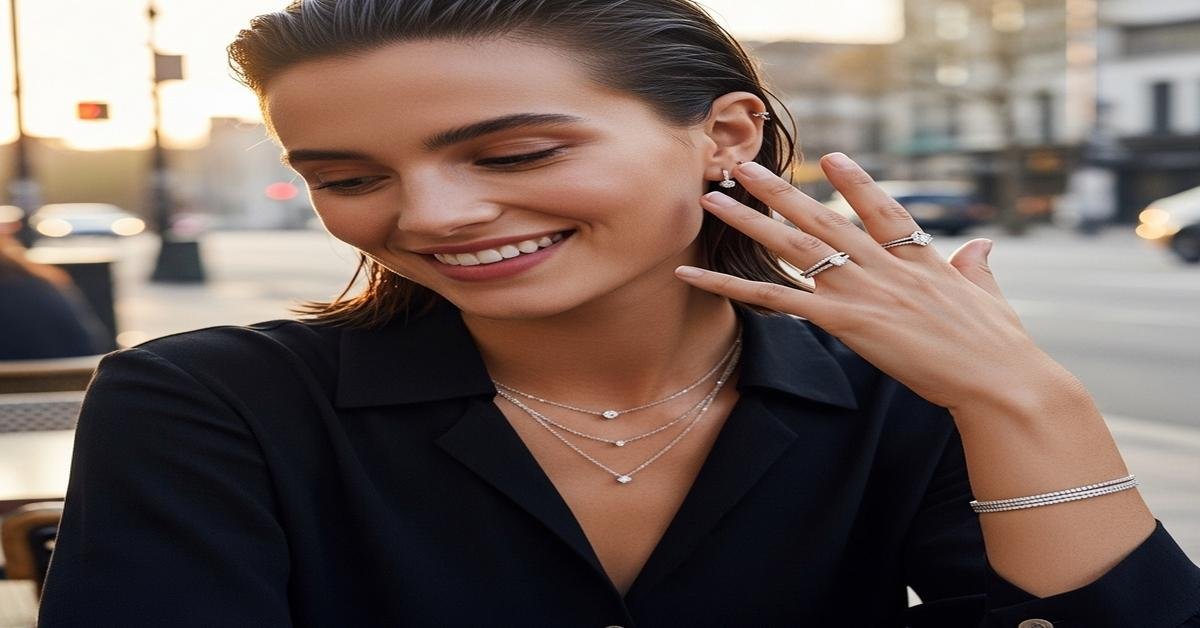
Gen Z is reshaping diamond jewelry. They value pieces that are personal, affordable, and ethical. They also mix vintage looks with modern minimalism. This changes how diamonds are cut, set, and worn. Below I explain the clear trends, why they work, and practical details to help you shop or style diamonds that fit Gen Z taste.
Smaller, wearable carats — and smart proportions
Gen Z favors diamonds you can wear every day. That means center stones commonly range from 0.25 ct to 1.00 ct. Practically, a 0.25 ct round is about 4.1 mm, a 0.50 ct is ~5.1 mm, and a 1.00 ct is ~6.5 mm. These sizes balance visibility with comfort and price.
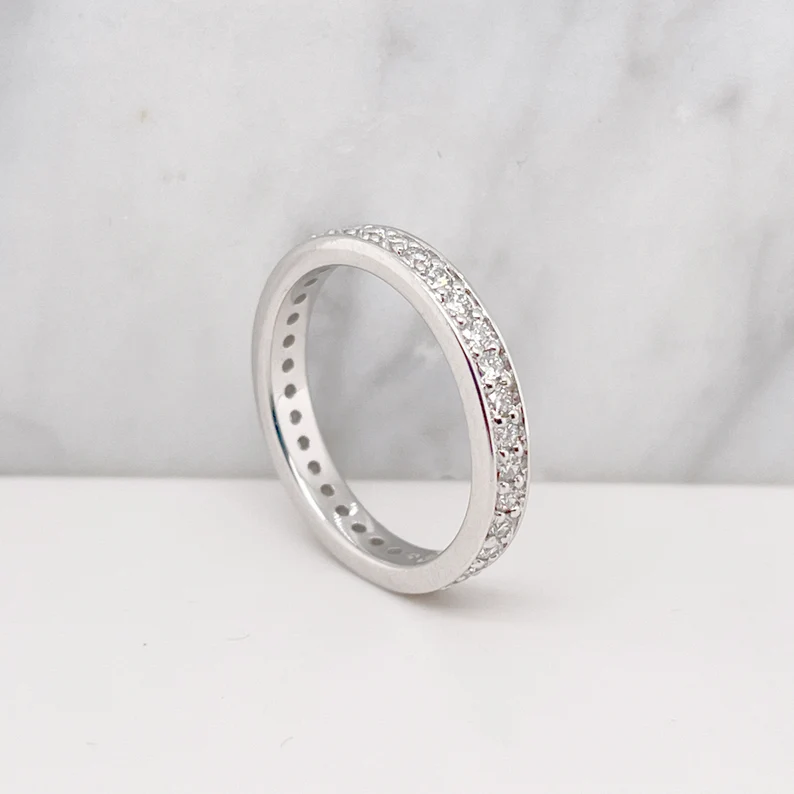
Melee diamonds are also essential. Micro pavé and “diamond dust” look comes from many tiny stones: 0.005–0.02 ct melees (roughly 0.9–1.6 mm). Smaller stones let designers create texture and sparkle without a big budget. Why it matters: smaller carats reduce price while maintaining sparkle and versatility.
Lab-grown and sustainability-first buying
Lab-grown diamonds are now mainstream for Gen Z. They offer the same chemical and optical properties as mined diamonds but at significantly lower cost. Expect lab-grown stones to be roughly 30–60% cheaper than comparable mined diamonds, depending on cut, clarity, and market conditions. They also answer ethical concerns. Many buyers choose them because they prefer lower environmental impact and transparent supply chains.
Sustainability goes beyond the stone. Gen Z also looks for ‘recycled metals‘ and traceable origin information. Practical examples: rings set in 14k recycled gold (about 58.3% Au with copper/silver alloy), or platinum 950 (95% Pt) for long-term durability. Ask retailers for recycled-metal certification and provenance documents when you care about footprint.
Shapes and cuts Gen Z prefers
There’s a split trend: minimalists prefer classic brilliants; maximalists lean into quirky cuts. Popular choices include:
- Round brilliant — still top for light return; commonly used in small-to-medium centers (0.25–1.00 ct).
- Rose cut — vintage feel, lower height, more matte glow; works well in rings and pendants for a handmade vibe.
- Elongated shapes (marquise, oval, emerald) — appear larger face-up for the same carat weight; Gen Z likes them for uniqueness.
- Fancy shapes (hexagon, kite, shield) — used for accents or single-stone statements, often lab-grown for custom cuts at lower cost.
Why shape matters: an elongated stone can give more presence at a lower carat. Rose cuts and less-brilliant finishes create a softer, vintage look that many younger buyers prefer over blingy sparkle.
Settings and metal choices that protect and personalize
Settings are chosen for both style and function. Gen Z favors:
- Bezel and flush settings — protect stones for daily wear and give a clean, modern look.
- Huggies and micro hoops with pavé — compact, easy to style in ear stacks.
- East–west settings — present baguette or marquise stones horizontally for an edgy vibe.
- Open-back and knife-edge settings — maximize light for small stones and lower-color diamonds.
Metal specifics matter. 14k gold (58.3% gold) balances durability and cost. 18k gold (75% gold) is richer in color but softer. White gold is typically rhodium-plated and may contain nickel unless specified nickel-free or alloyed with palladium. If you have sensitive skin, choose nickel-free alloys or platinum 950.
Layering, mixing metals, and personalization
Gen Z treats diamonds like part of a layered story. They stack thin bands (often 1.5–2.0 mm widths), mix yellow and white metals, and combine diamonds with other gems. Personalization is key: initial signet rings (6–10 mm faces), engraved coordinates, or birthstone accents are common. Why it works: mixing metals breaks the “matchy” rule and lets each piece feel more individual.
Color trends: fancy colors and contrast
Colored diamonds and contrast pairings are rising. Small fancy-yellow or pink melee stones add a pop without high cost. Another approach: pair warm 14k rose gold (about 58% Au + ~33% Cu + ~9% Ag) with near-colorless diamonds to enhance warmth. These combinations deliver visual interest but keep overall spending reasonable.
Certification, care, and long-term value
Certification still matters. Whether mined or lab-grown, look for a lab report (GIA, IGI, or equivalent). Reports verify cut, color, clarity, and carat — they protect you from misrepresentation. Note: lab-grown diamonds also carry lab reports that confirm their origin.
Care is practical: clean pieces with warm water and mild soap. Avoid ultrasonic cleaners for fracture-filled or coated stones. Rhodium-plated white gold will need replating every 1–3 years depending on wear. For everyday pieces, prefer secure settings like bezels or lower-profile prongs.
On resale: mined diamonds historically hold better resale value than lab-grown stones. If resale is a priority, prioritize natural stones with strong color and clarity grades and secure certification. If ethics and price are priorities, lab-grown is a sound choice.
How to shop with Gen Z criteria in mind
Start by deciding three priorities: price, ethics, or resale. Use those to choose between lab-grown and mined stones, and pick metal accordingly (14k for everyday, 18k or platinum for luxury). Ask for measurable specs: carat and mm, cut proportions, clarity grade, and the lab report. Finally, pick settings that suit your lifestyle: bezels for protection, prongs for sparkle.
Gen Z values meaning and wearability. Diamonds that are responsibly made, easy to layer, and sized for daily life will resonate most. Those practical decisions make jewelry both stylish and sensible for the long run.