
Prong Setting Natural Diamond Engagement Ring
Prong-setting engagement rings in 18K solid gold. The most popular setting style because prongs hold the diamond high and let in maximum light. Natural and lab-grown centre stones, GIA-certified. Four-prong or six-prong, classic or modern.
Can't find the one? Design your own→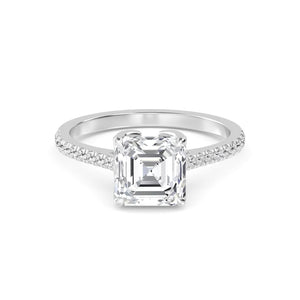
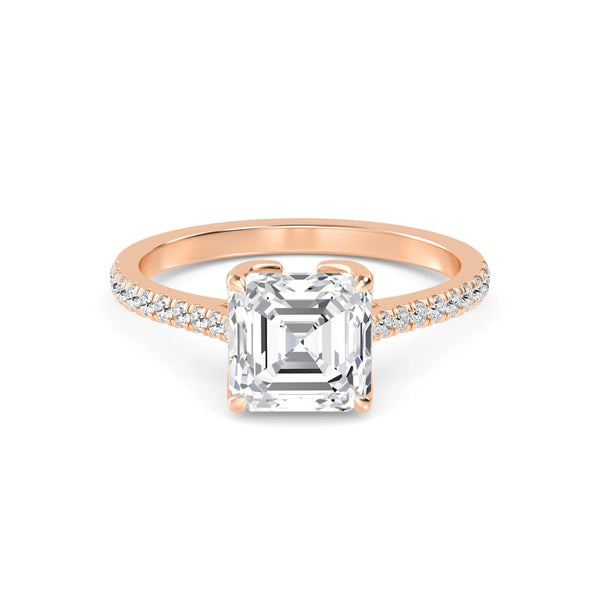
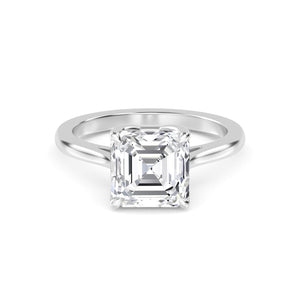
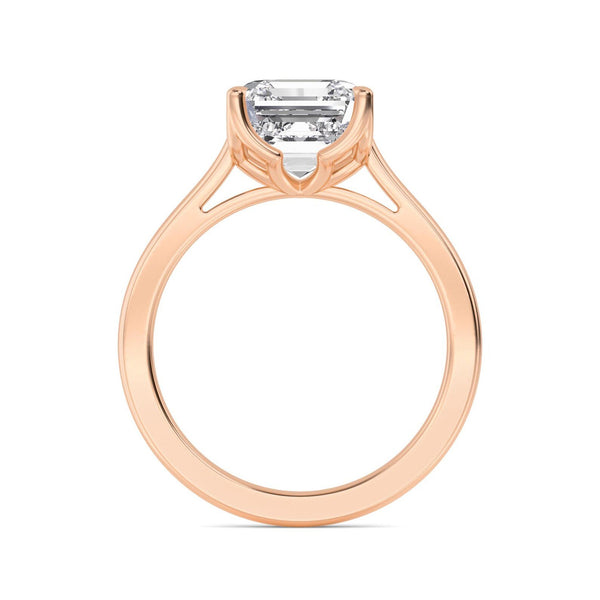
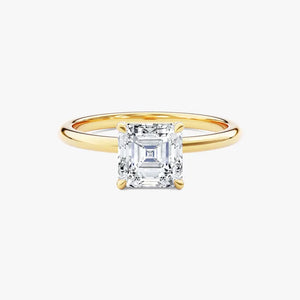
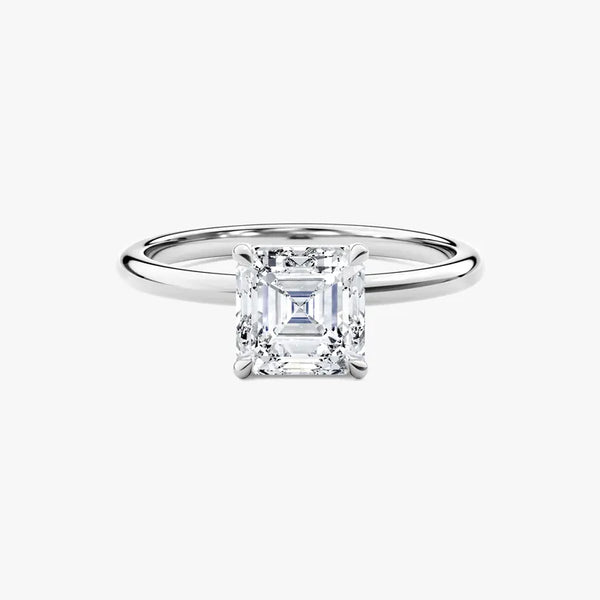
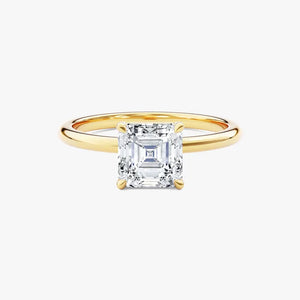
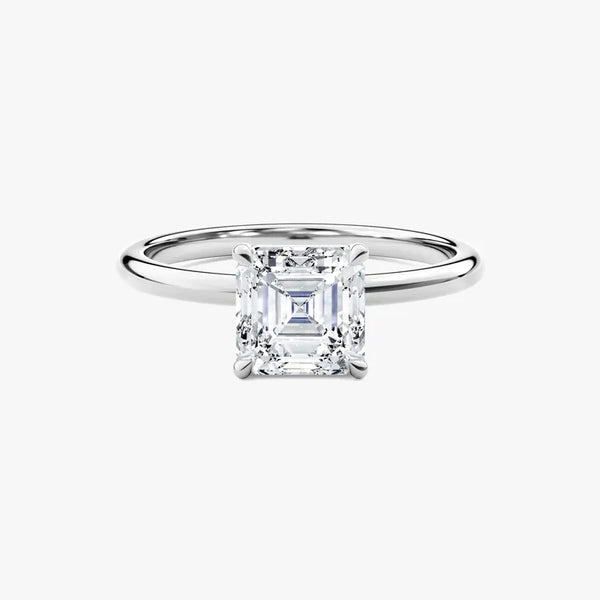
A prong setting holds the diamond with small metal claws that grip the girdle of the stone from above. It is the most popular setting style in the world because it exposes more of the diamond to light than any other setting, which maximises sparkle.
Four-prong or six-prong
Four-prong settings show more of the diamond and let in more light. The stone looks bigger and brighter. Six-prong settings (the classic 'Tiffany' style) are slightly more secure and give the ring a more traditional, rounded silhouette. Six-prong is more common; four-prong is our recommendation for a modern look and the maximum light return.
Prong shapes
Round prongs are the classic. Claw prongs (pointed) are slightly less visible against the stone. V-prongs protect pointed shapes like pear and marquise. The right prong shape depends on the diamond shape.
Prong settings by diamond shape
A round brilliant looks best in a classic four-prong. An oval wants four-prong or six-prong with the prongs at the north-south-east-west positions. A pear needs a protective V-prong at the point. An emerald cut can take four corner prongs.
Care
Prongs need a check every 2-3 years to ensure they have not loosened. We do this free for life. A loose prong is the single most common cause of a lost diamond. Don't wear the ring if the prongs feel rough or uneven to the touch.
Bespoke prong settings
Want a specific prong count, prong shape, or combination? Design your own.
Frequently Asked Questions
Four-prong or six-prong. Which should I choose?
Four-prong shows more of the diamond and lets in more light. Maximum sparkle. Six-prong is slightly more secure and has a more traditional look. Most customers choose six-prong; we recommend four-prong if maximum brightness is your priority.
Are prong settings secure?
Yes, when the ring is maintained. Prongs should be checked every 2-3 years for wear. We do this free for life. A loose prong is the most common cause of a lost diamond, so don't skip the servicing.
Can prongs snag on clothing?
They can, which is why we set the prongs as low and as tight to the diamond as possible while still holding it securely. If snagging is a daily problem for you, consider a bezel setting instead.
What is a V-prong?
A V-prong is a prong shaped like a V, used to protect the pointed corner of a pear, marquise or heart-shaped diamond. The point of the V sits over the most fragile part of the stone.
Do prong settings make the diamond look bigger?
Yes. A high prong setting (called a 'cathedral' or 'lifted' setting) raises the diamond above the band and exposes more of it to light, which makes it look larger than a low-profile bezel or flush setting.
Can a prong-set ring be resized?
Yes, within the usual 1-2 size range. The diamond and prongs sit on the top of the ring, so resizing only affects the band beneath. First resize within 60 days is free.